Amid growing apprehensions over the rising volume of duty-free tea imports impacting domestic producers and eroding global credibility, the Tea Association of India (TAI) has urged the Director General of Foreign Trade (DGFT) to urgently review and regulate the ‘Advance Authorization Scheme’ under which teas are imported into India without duty.
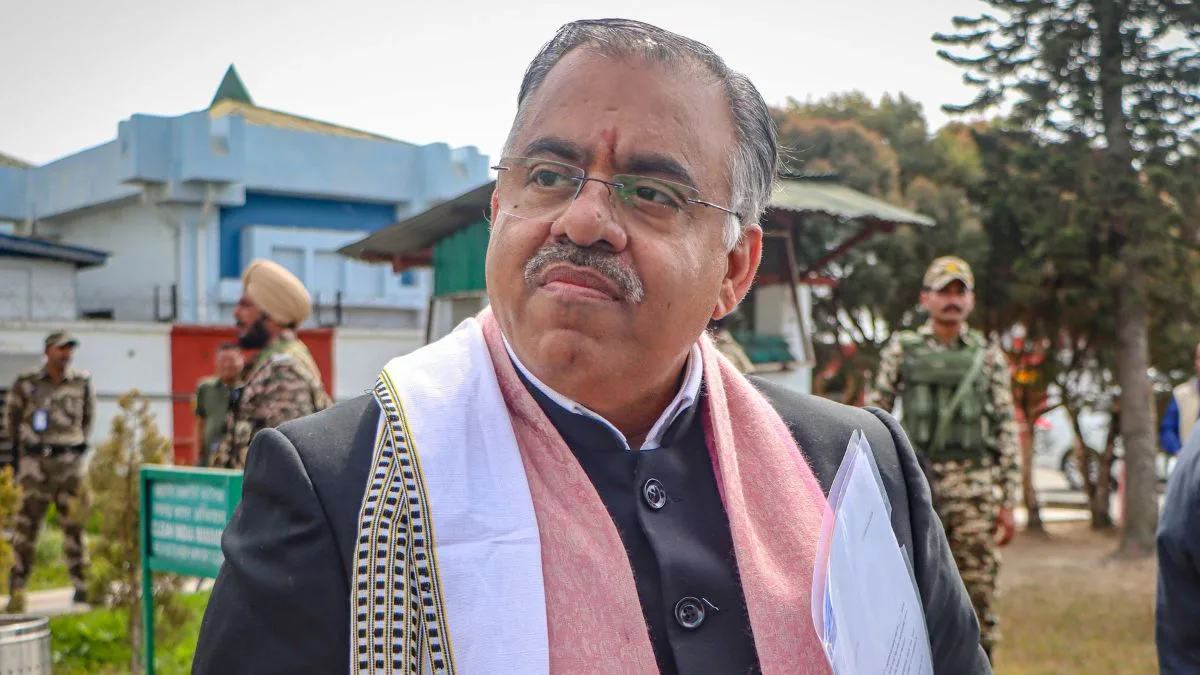
In a detailed representation submitted on 10 June 2025, TAI President Sandeep Singhania expressed serious concern over the steady increase in tea imports and their suspected misuse, which has adversely impacted Indian tea prices and undermined hard-won efforts to balance the market.
Advertisement
According to TAI, India’s tea imports rose significantly from 15.85 million kg in 2019 to 29.84 million kg in 2022, before moderating slightly to 23.65 million kg in 2023. A sharp surge in imports from Kenya alone has raised eyebrows—17.13 million kg in 2024, up 226 per cent from 2023, and 3.9 million kg in just the first quarter of 2025, marking a 117 per cent year-on-year jump.
This influx came at a time when the domestic industry was already struggling. Adverse weather had cut production by around 110 million kg in 2024, prompting Tea Board India to instruct producers to curb output from 30 November 2024 to maintain supply-demand balance. However, TAI notes that the market was flooded with cheap imports post-September, resulting in a steep Rs 60/kg fall in average prices, effectively undoing efforts to stabilize the sector.
“There is a clear correlation between rising imports and declining domestic prices,” said Mr Singhania. “Moreover, there is a strong suspicion that some exporters are importing low-grade teas duty-free, blending them with Indian teas, and re-exporting them falsely as Indian-origin. Worse still, a large share of such imports is suspected to be diverted into the domestic market, bypassing the 100 per cent import duty, and undercutting genuine producers with indistinguishable low-quality blends.”
TAI has highlighted the lack of a robust tracking mechanism to monitor how much of the imported tea is re-exported and how much is siphoned off locally.
To address these issues, TAI has made the following key recommendations to the DGFT:
Disallow duty-free tea imports under Advance Authorization and SEZ schemes.
Allow imports only against full duty payment, with duty refunds processed after verifiable export, thus curbing misuse.
Implement a Sri Lanka-style SOP, ensuring:
Full traceability and auditability of imported teas. Strict enforcement of FSSAI quality norms and prevention of domestic diversion of imported teas.
Mr Singhania emphasised, “We believe that if these steps are implemented, it will safeguard the interests of Indian producers, preserve the authenticity of Indian teas in global markets, and uphold regulatory integrity.”
With tea being not only a vital export commodity but also a key livelihood source for millions in India, industry stakeholders now await a strong policy response from the ministry of commerce and industry.